75 years after Crimes Against Humanity and Genocide coined at Nuremberg
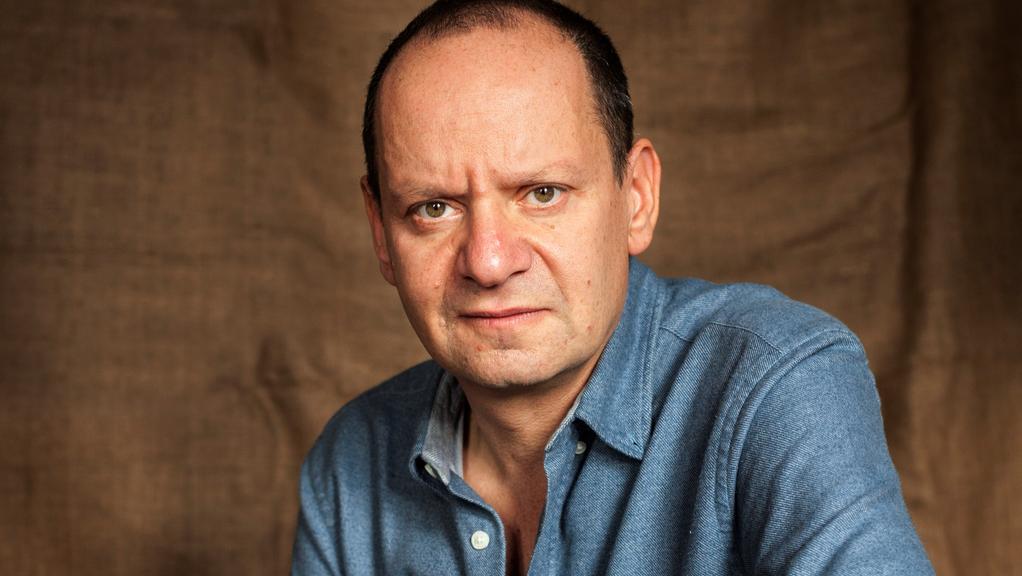
International lawyers Philippe Sands QC and Dior Fall Sow have co-chaired an expert drafting panel on the legal definition of “ecocide” as a potential international crime that could sit alongside War Crimes, Genocide and Crimes Against Humanity. Launched with preparatory work in November 2020, the panel has been convened by the Stop Ecocide Foundation at the request of interested parliamentarians from governing parties in Sweden. Their proposed definition was presented on June 22, 2021 and has been carefully crafted to reflect legal precedent in the Rome Statute and other international and environmental law.
The concept of criminalising mass damage and destruction of ecosystems or “ecocide” at a global level has been steadily gaining traction in recent months since small island states Vanuatu and the Maldives called for “serious consideration” of it at the International Criminal Court’s annual assembly of States Parties in December 2019. President Macron of France has actively promised to champion the idea and Belgium has raised the issue directly at the ICC in its 2020 official statement. Now an impressive list of top international and environmental lawyers are tackling how best to define it.
The timing of the panel launch in November 2020 was powerful, marking 75 years since the opening of the Nuremberg trials of high-ranking Nazi officers in 1945. Philippe Sands QC, co-chairing the Ecocide drafting panel, was among the speakers at a ceremonial event held in Nuremberg’s historic Courtroom 600 where the trials took place. Sands’ award-winning book ‘East West Street’ documents the origins of – and the lawyers behind – the terms Crimes Against Humanity and Genocide, first used in that very courtroom. Sands is joined on the drafting panel by a heavyweight list of judges and lawyers, and the panel aims to complete its work in June 2021.
Jojo Mehta, Chair of the Stop Ecocide Foundation commissioning the panel’s work, explains the significance of the project:
“There have been working definitions of ‘ecocide’ over the years and the general concept – of mass damage and destruction of ecosystems – is reasonably well understood. However when parliamentarians from a number of countries, from European states to Pacific islands, will be considering this definition in the light of possible proposal at the ICC, the text that emerges over the coming months must be both clear and legally robust. It is vital that the drafting panel has in-depth relevant legal expertise as well as a breadth of geographical perspective.”
She is thrilled with the line-up of the panel: “We couldn’t be happier with the calibre of expert this project has attracted. It demonstrates a recognition in the legal world that Ecocide can, and now perhaps should, be considered alongside Genocide and Crimes Against Humanity as one of the ‘most serious crimes of concern to humanity as a whole’. It’s an honour to be working with these judges and lawyers, and an extraordinary moment to be launching the project as the first international trials are remembered at Nuremberg.”