
Webinar on ecocide law for business leaders. May 31, 8 am CET.

The foreground consists of a moss-covered stone. In the lensball you can see the background, which consists of a beautiful meadow with lush trees and an old castle ruin.

“I had spent 15 years looking for something that could change the system of the global economy and this beautiful idea does that.”

~ Jonas Roupé, former head of strategy and business intelligence at Ericsson.


“We do have the solutions. We have to implement them. Being a company and taking the first step, worrying that all the competitors won’t do it, and having then an advantage in cost and margins and so forth – we can get rid of that.”

~ Eva Karlsson, CEO Houdini Sportswear.


“…our circular principles for designing products, it doesn’t limit us, it’s an environment where innovation thrives, and the designer thrives, so we find new solutions, we find new opportunities as well, so it’s not only doing less damage, but actually evolving to a much smarter way of doing business.”

~ Eva Karlsson, CEO Houdini Sportswear.


It’s time to change the rules. Join Eva Karlsson, CEO of Houdini Sportswear, and Jonas Roupé, former head of strategy and business intelligence at Ericsson, to find out more about what ecocide law is and why it is essential to regenerative and sustainable business.

Ecocide – mass damage and destruction of ecosystems – is destroying nature on which we all depend. There is currently no effective way to stop it, but fast approaching is legislation to make it an international crime, to the benefit of people and planet, as well as green businesses.

The simple and straight-forward step of adding ecocide law to the Rome Statute redirects the flow of investments towards sustainable businesses. By requiring care in the process of extracting raw materials, it powers the shift to a circular economy. By protecting carbon sinks, it reduces climate related risks. By holding decision-makers accountable, it stops many potentially ecocidal activities at the planning stage.

CEOs committed to regenerative business welcome it, because it sets a guardrail for business activities, as well as benefiting fair competition.

What will this law accomplish? How will it impact and improve business in practical terms?

Join us for 40 minutes on May 31st, at 8.00-8.40 CET and find out more.

Moderated by Merja Metell Suomalainen, Senior Advisor & Partner, Comma.
Share this post

Other articles

Nina Macpherson, Richard Brisius, Marie Jacobsson, Per Tunell & Eva-Maj Mühlenboch

Protecting our oceans through law, business and sailing

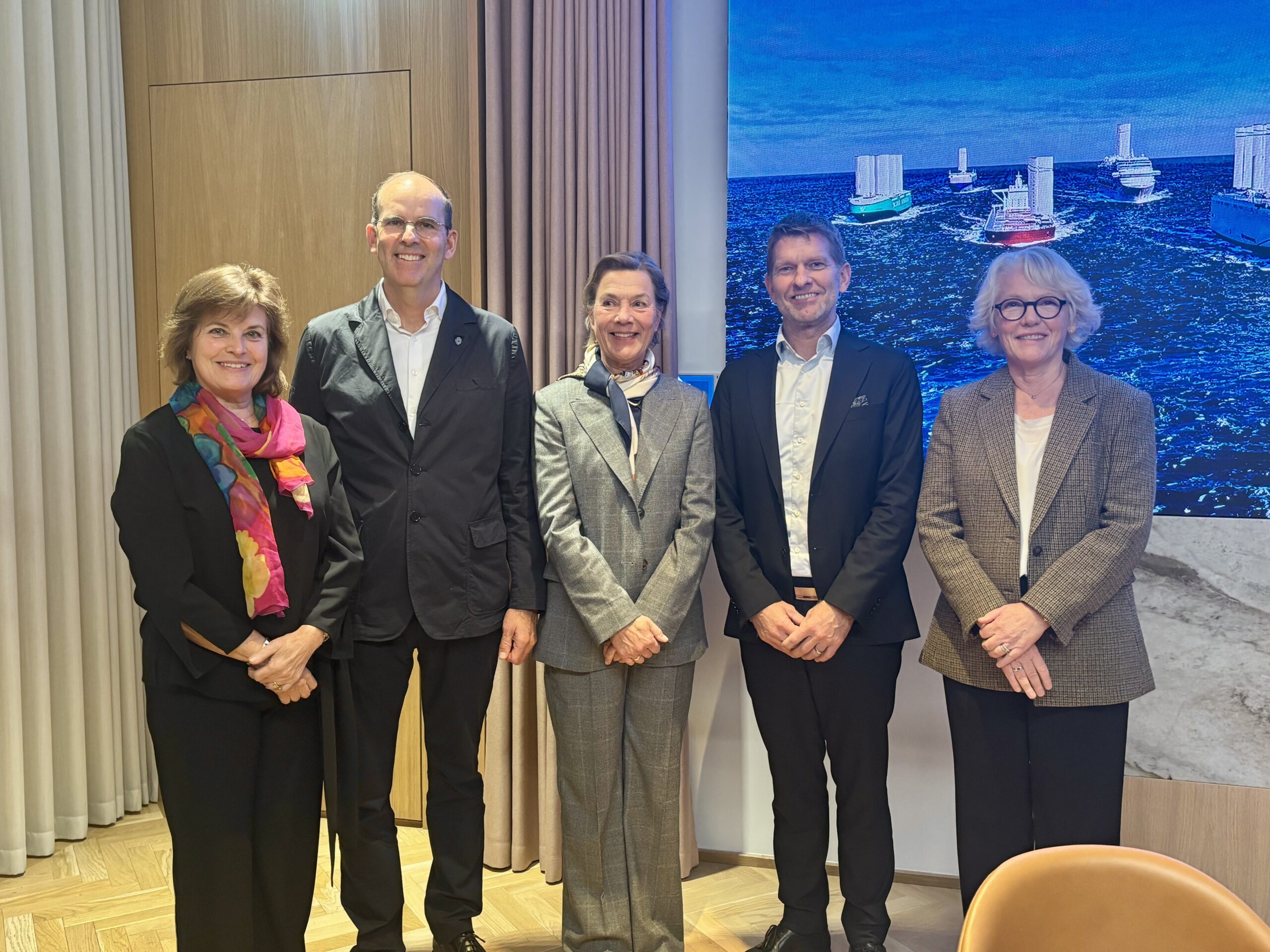
How can law, business and sailing help protect our oceans? On 21 October, Ecocide Law Alliance brought together speakers and guests at Cirio Law Firm to explore ecocide, the legal protection of the marine environment and practical pathways towards healthier oceans. The seminar connected three perspectives: the challenges of legal protection and accountability, the shipping industry’s transition towards sustainability, and sailing’s potential to advance ocean research, education and awareness.
Foto: Jason Whitman/TT, Privat

Environmental Law Professor Jonas Ebbesson urges Sweden to champion international ecocide law

In an opinion piece published in Dagens Nyheter on 22 October, legal scholar Jonas Ebbesson calls on Sweden to take a leading role in making ecocide an international crime under the Rome Statute of the International Criminal Court.

Navi Pillay awarded Nobel Peace Prize: Recognising the Power of International Law

Ecocide – A Truly Painful Portfolio Risk 

A seminar titled “A Truly Painful Portfolio Risk: Ecocide” was held in Stockholm for UN PRI* signatories, at the invitation of Magnus Odén, PRI Head for the Nordic, CEE, and CIS regions to discuss environmental portfolio risk, legal protections, and how investors can address this risk. 

Broad Cross-Party Support in Swedish Parliament

A seminar in Swedish Parliament on April 14th showed broad cross-party support for recognising large-scale environmental destruction, ecocide, as an international crime under the Rome Statute of the International Criminal Court. Embassy representatives from ten countries registered to attend the seminar.

Officially Swedish

”Ekocid” – Swedish for ecocide – has been recognised by the Swedish Academy as an established part of the Swedish language.