Ecocide Law Reaches the UN Security Council

Ecocide law was raised three times during the UN Security Council’s session on environmental impact of armed conflict and climate-driven security risks, demonstrating growing diplomatic attention to establishing mass environmental destruction as an international crime.
FN-sakerhetsrad-fran-Robert_v2

During the meeting, Professor Charles C. Jalloh of the University of Miami Law School and member of the UN International Law Commission stated that severe environmental damage should be prohibited as a crime under international and national laws. Jalloh, who served on the Independent Expert Panel that developed the legal definition of ecocide, noted that “the definitions we developed, and variants of them, have already been included in the national laws of various states.”

Sierra Leone’s Deputy Minister of Foreign Affairs and International Cooperation, Francess Piagie Alghali, speaking in her capacity as President of the Security Council, said: ‘we note the emerging discussions on recognising ecocide as a serious international crime and encourage continued reflection on accountability pathways consistent with international law.”

Panama’s Permanent Representative to the UN, Eloy Alfaro de Alba, referenced Professor Jalloh’s presentation, noting that “environmental degradation opens the door to a possible environmental crime that could be identified as ecocide.”

The full broadcast of the 10035th meeting of the Security Council, ‘Climate and security: environmental impact of armed conflict and climate-driven security risks’ can be viewed here.

Information courtesy of Stop Ecocide International.
Share this post

Other articles

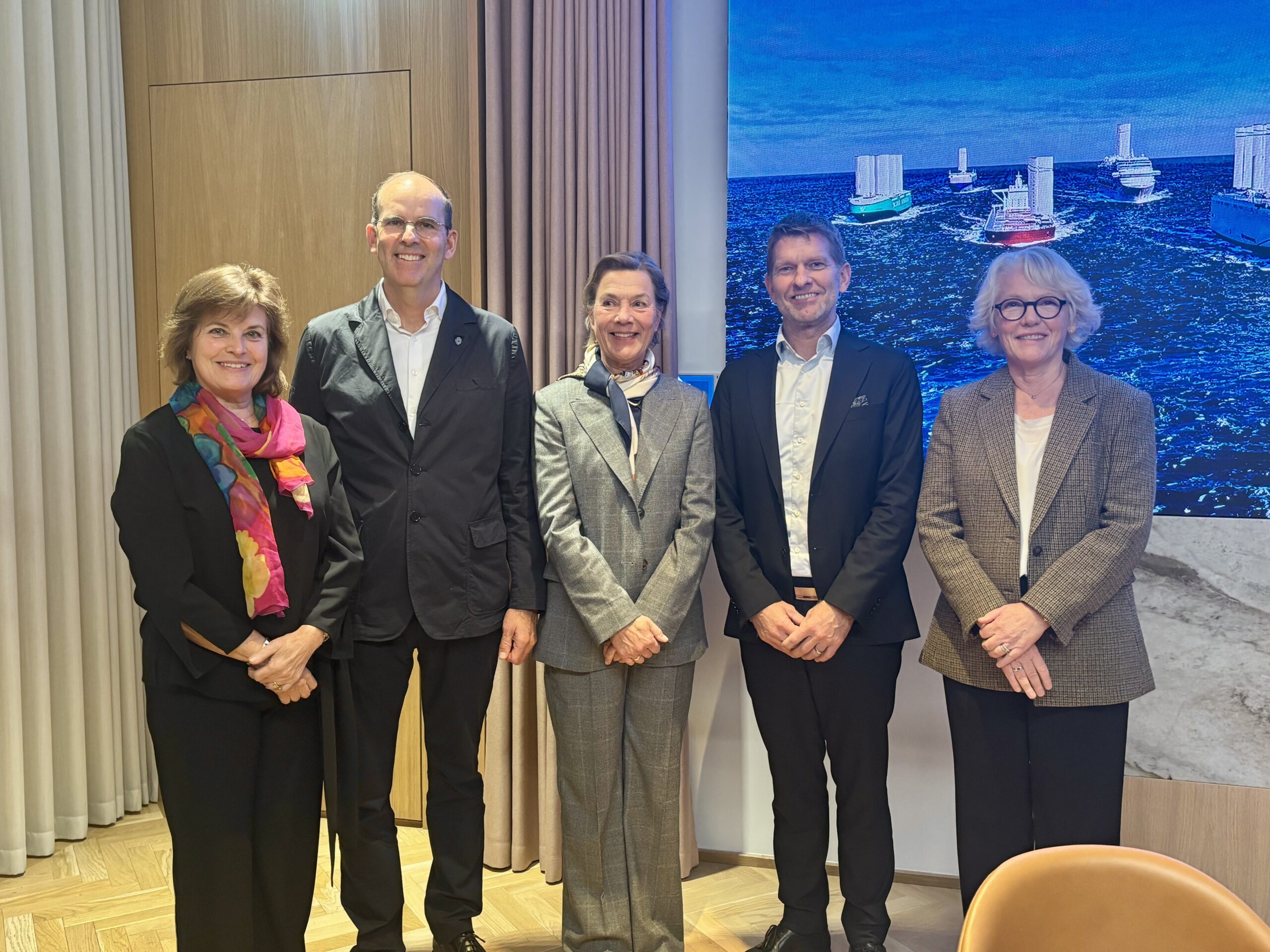
Nina Macpherson, Richard Brisius, Marie Jacobsson, Per Tunell & Eva-Maj Mühlenboch

Protecting our oceans through law, business and sailing

How can law, business and sailing help protect our oceans? On 21 October, Ecocide Law Alliance brought together speakers and guests at Cirio Law Firm to explore ecocide, the legal protection of the marine environment and practical pathways towards healthier oceans. The seminar connected three perspectives: the challenges of legal protection and accountability, the shipping industry’s transition towards sustainability, and sailing’s potential to advance ocean research, education and awareness.
Foto: Jason Whitman/TT, Privat

Environmental Law Professor Jonas Ebbesson urges Sweden to champion international ecocide law

In an opinion piece published in Dagens Nyheter on 22 October, legal scholar Jonas Ebbesson calls on Sweden to take a leading role in making ecocide an international crime under the Rome Statute of the International Criminal Court.

Navi Pillay awarded Nobel Peace Prize: Recognising the Power of International Law

Ecocide – A Truly Painful Portfolio Risk 

A seminar titled “A Truly Painful Portfolio Risk: Ecocide” was held in Stockholm for UN PRI* signatories, at the invitation of Magnus Odén, PRI Head for the Nordic, CEE, and CIS regions to discuss environmental portfolio risk, legal protections, and how investors can address this risk. 

Broad Cross-Party Support in Swedish Parliament

A seminar in Swedish Parliament on April 14th showed broad cross-party support for recognising large-scale environmental destruction, ecocide, as an international crime under the Rome Statute of the International Criminal Court. Embassy representatives from ten countries registered to attend the seminar.

Officially Swedish

”Ekocid” – Swedish for ecocide – has been recognised by the Swedish Academy as an established part of the Swedish language.