
Legal protection and accountability
Marie Jacobsson, an international law expert with a particular interest in ocean affairs and a former ambassador, explored the relationship between the proposed international crime of ecocide and existing rules protecting the marine environment.
Her presentation raised important questions about how an ecocide provision would operate at sea. These included where environmental damage occurs, which states have jurisdiction, who can be held responsible, and how the applicable rules differ between peacetime and armed conflict.
Jacobsson also discussed the challenges of applying the proposed definition of ecocide in practice and its relationship with existing international agreements. She emphasised the need to consider how its criteria would apply to harm to the marine environment, while making clear that she was in favour of introducing ecocide as an international crime.
Innovation towards sustainable shipping
Per Tunell from Wallenius shipping (Soya Group) shared practical examples of the shipping industry’s environmental challenges and the technologies being developed to address them. Beyond emissions, his presentation covered issues such as invasive species transported through hull fouling, as well as underwater noise.
He described an approach combining reduced energy consumption, greater use of renewable energy and a transition towards sustainable fuels. A central example was wind-assisted propulsion: wing technology has moved from concept illustrations to installation on an operating vessel, where its effects are being measured.
Tunell also emphasised the importance of improving existing ships alongside developing new ones. His presentation illustrated how a long-term vision can guide concrete investments and technological development.
Sailing as a platform for ocean action
Richard Brisius, CEO of The Ocean Race, described how an around-the-world sailing competition has also become a platform for ocean science, education and advocacy.
Equipped with scientific instruments, the racing boats collect data from parts of the ocean that are difficult and costly for researchers to reach. Measurements include ocean temperature, salinity, carbon dioxide and microplastics, with the data made available to researchers.
The Ocean Race also uses its international reach to engage schools, young people and wider audiences in ocean issues. Brisius outlined the work to bring experts and decision-makers together around ocean rights, including the ambition of a Universal Declaration of Ocean Rights.
Connecting perspectives
The evening brought legal questions into conversation with practical innovation and public engagement. From accountability for severe environmental harm to cleaner shipping and a deeper understanding of the ocean, the speakers explored different ways of contributing to its protection.
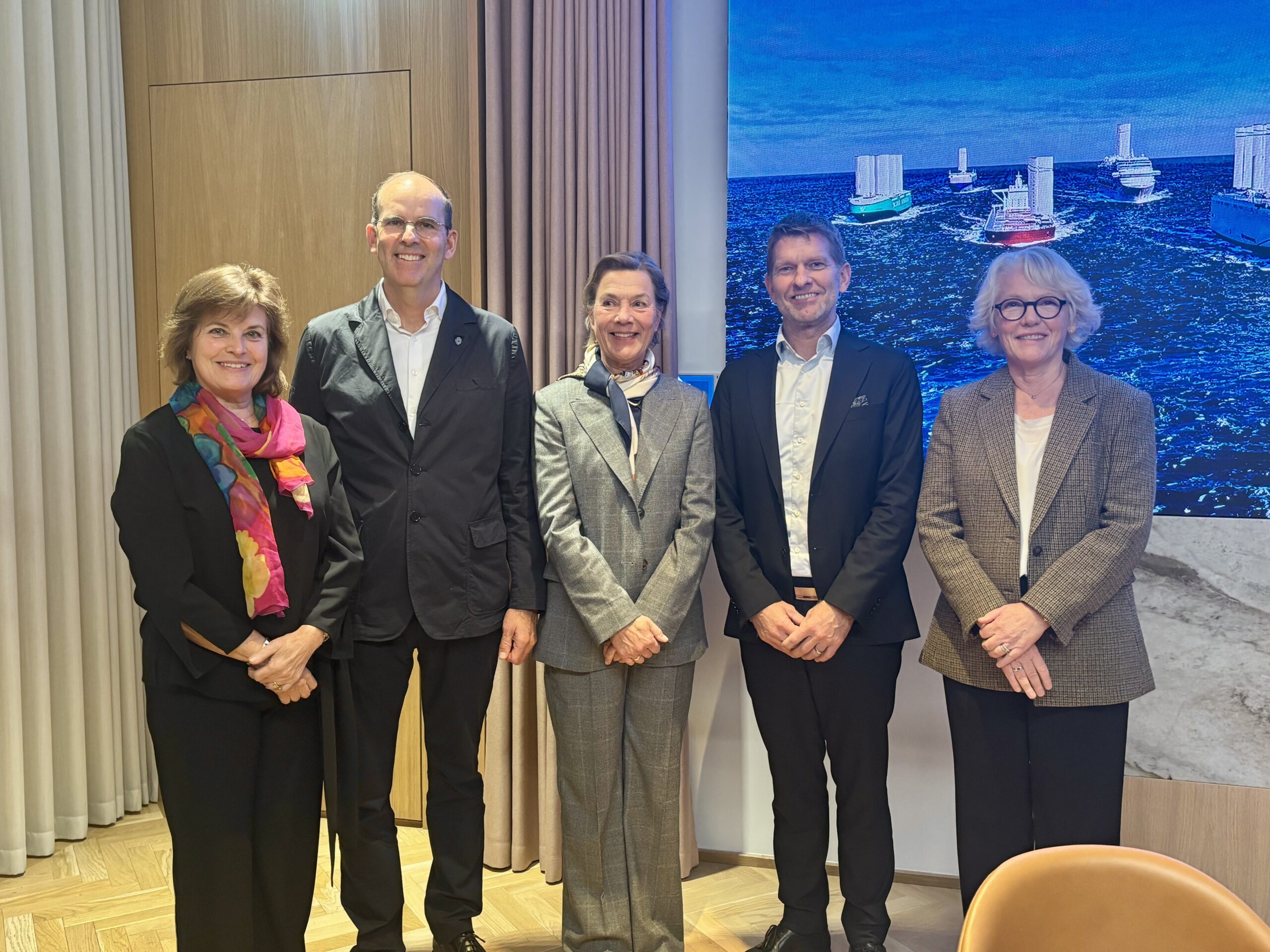
The seminar was organised jointly by Cirio Law Firm, the Swedish Bar Association and Ecocide Law Alliance. We thank Cirio for hosting, and all speakers and participants for their contributions to an engaging discussion.
Clara Arfs
Ecocide Law Alliance
Oct 28, 2026